

The Met Gala 2026 once again transformed the steps of New York City’s Metropolitan Museum of Art into the world’s most glamorous fashion stage. From avant-garde couture to dramatic celebrity statements, the night celebrated fashion as art in every possible form. But amidst the sea of global stars and headline-making ensembles, two debutants from India managed to leave a particularly unforgettable impression.
Princess Gauravi Kumari of Jaipur and her brother, Sawai Padmanabh Singh, Maharaja of Jaipur, made their much-anticipated Met Gala debut this year, bringing with them not just style, but centuries of royal Indian heritage.
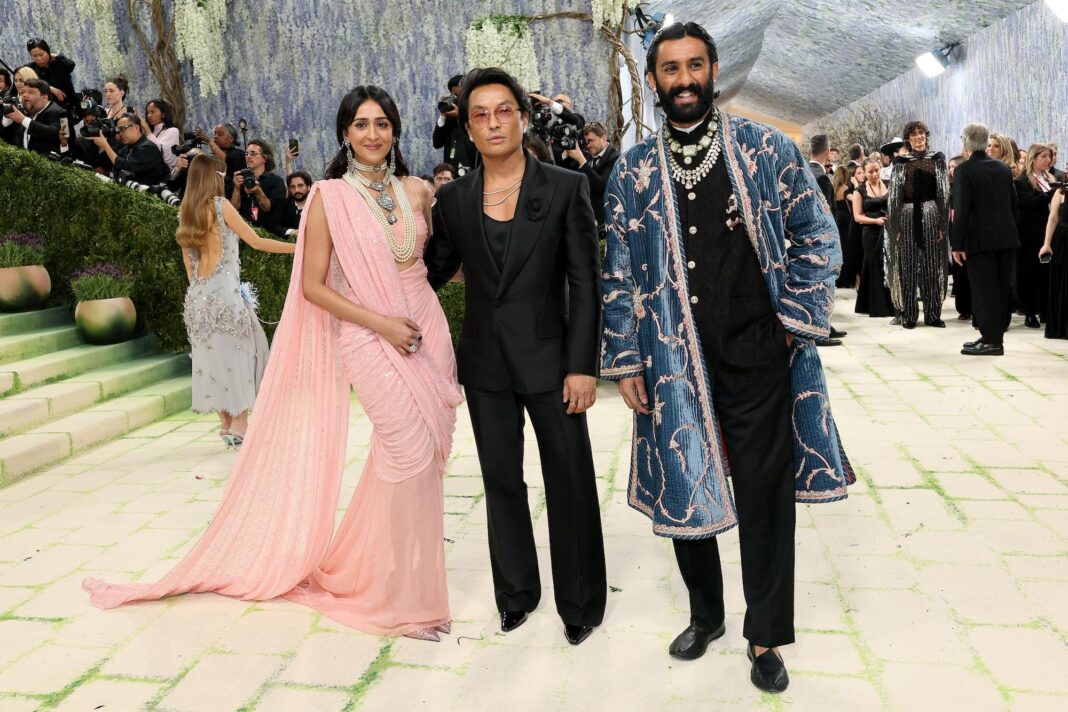
Representing Jaipur’s royal legacy with elegance and cultural pride, the sibling duo turned heads in custom ensembles designed by acclaimed fashion designer Prabal Gurung. Their looks weren’t merely crafted for fashion—they told deeply personal stories rooted in history, tradition, and identity.
Royal Debuts That Captured Global Attention
Every year, the Met Gala welcomes first-time attendees from across entertainment, fashion, and global culture. This year’s event featured several notable debuts, including Sunday Rose, daughter of Nicole Kidman, and Jaafar Jackson, nephew of the late Michael Jackson and star of the upcoming Michael biopic.
But Indian representation arrived with exceptional strength at the Met Gala 2026. Alongside returning attendees like Isha Ambani, the debut of Jaipur’s royal siblings added a regal dimension that stood apart from the evening’s contemporary fashion narratives.
Princess Gauravi Kumari and Sawai Padmanabh Singh didn’t simply attend the event—they carried Indian craftsmanship, royal history, and Rajasthani artistry onto one of fashion’s most influential global platforms.
Princess Gauravi Kumari’s Tribute to Maharani Gayatri Devi
Princess Gauravi Kumari’s look was perhaps one of the most emotionally significant ensembles of the evening.
The royal entrepreneur and philanthropist, who also appeared as HELLO! India’s April-May 2025 cover star, chose to honour her grandmother, the legendary Maharani Gayatri Devi, through fashion.
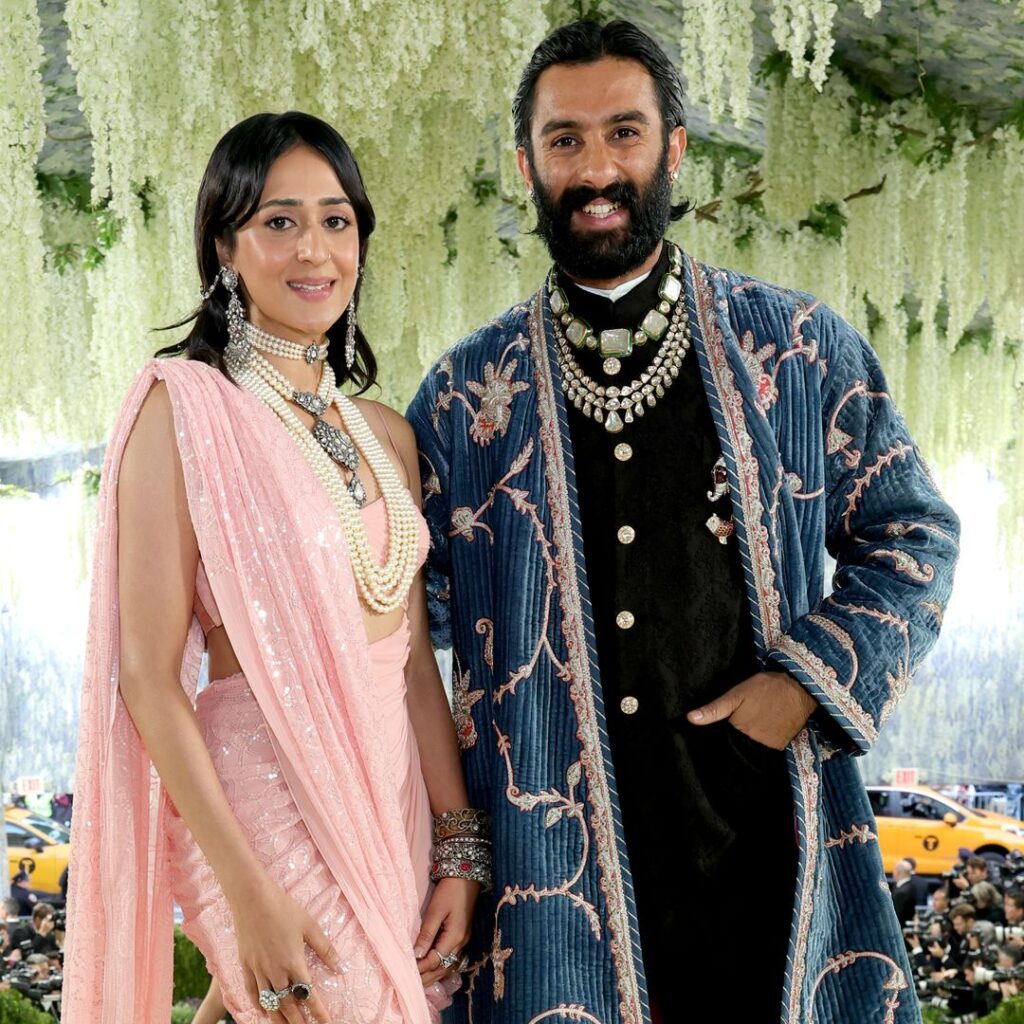
Designed by Prabal Gurung, her outfit incorporated a blush pink chiffon saree that once belonged to Gayatri Devi herself. Rather than recreating history, the ensemble reinterpreted it for a modern global stage while preserving the grace associated with Jaipur’s royal heritage.
The saree-inspired look featured a narrow-strapped blouse, a sheer flowing silhouette, and an embellished sequin drape cascading elegantly over her shoulder. The styling remained understated yet deeply luxurious—reflecting the timeless aesthetic Maharani Gayatri Devi was globally admired for.
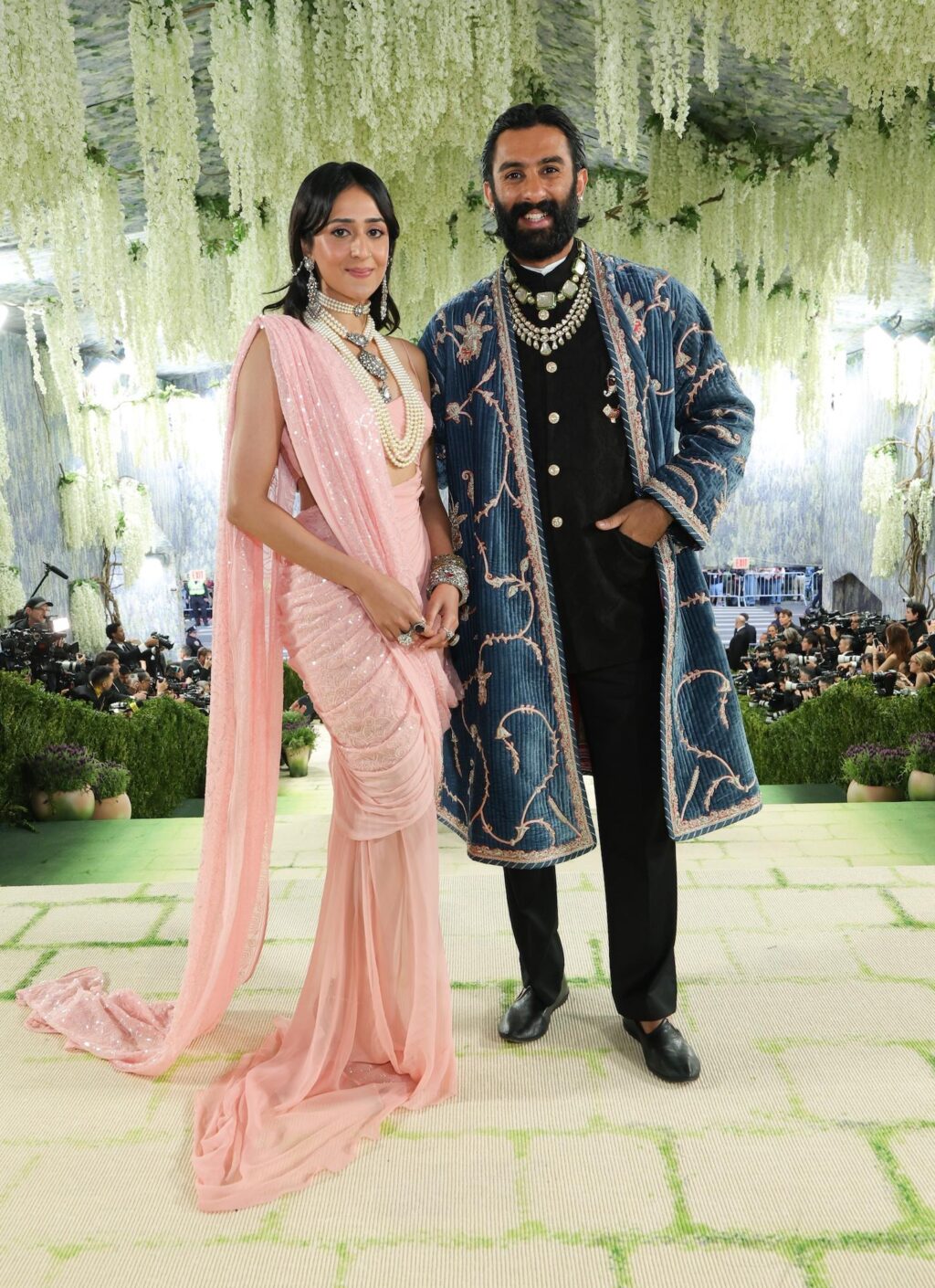
Pearls and chiffon, signatures closely associated with the late maharani’s iconic style, became central elements of Gauravi’s appearance. She completed the ensemble with uncut diamond jewellery, delicate ear chains, and Jimmy Choo heels, blending royal nostalgia with contemporary glamour.
What made the look particularly special was its emotional authenticity. In a space often dominated by theatrical fashion, Gauravi’s ensemble felt intimate, meaningful, and culturally grounded.
Sawai Padmanabh Singh Showcases Jaipur’s Royal Craftsmanship
If Gauravi’s look celebrated royal elegance, Sawai Padmanabh Singh’s outfit embodied the grandeur of Rajasthan’s artisanal legacy.
The Maharaja of Jaipur arrived in a striking black ensemble designed around a meticulously handcrafted Phulghar coat created by Prabal Gurung. The coat itself reportedly took over 600 hours to complete, highlighting the extraordinary craftsmanship behind the garment.
Constructed using deep velvet and cotton, the statement coat featured intricate aari and zardozi embroidery alongside traditional polki and jadau detailing. Across the back, a spectacular motif inspired by Sri Niwas at Jaipur’s City Palace added architectural depth to the design.
The ensemble successfully merged royal symbolism with modern tailoring, creating a look that felt both regal and globally relevant.
Rather than opting for Western interpretations of luxury, Padmanabh leaned confidently into Indian craftsmanship and regional identity. That decision made his appearance particularly impactful on a global fashion platform like the Met Gala.
Indian Heritage Finds a Place on Fashion’s Biggest Stage
The Met Gala has increasingly become a platform where cultural storytelling through fashion takes centre stage. This year’s theme celebrating the intersection of fashion and art gave celebrities an opportunity to move beyond aesthetics and embrace deeper narratives.
Princess Gauravi Kumari and Sawai Padmanabh Singh used that opportunity beautifully.
Their ensembles didn’t rely on spectacle alone. Instead, they celebrated heritage, family history, craftsmanship, and cultural memory. Through chiffon heirlooms, centuries-old embroidery techniques, and references to Jaipur’s royal architecture, the siblings transformed their Met Gala debut into a celebration of Indian artistry.
More importantly, their appearance reflected a growing global appreciation for Indian couture and traditional craftsmanship. Designers, celebrities, and luxury houses around the world are increasingly recognising the richness of India’s textile traditions and artisanal techniques.
And at the Met Gala 2026, Jaipur’s royal siblings ensured that recognition arrived with authenticity and elegance.
A Defining Fashion Moment for Modern Indian Royalty
While royal families today exist very differently from the past, figures like Princess Gauravi Kumari and Sawai Padmanabh Singh continue to shape how modern Indian royalty is perceived globally.
Their Met Gala debut wasn’t just about fashion headlines or celebrity attention. It symbolised a younger generation embracing heritage while presenting it confidently on international platforms.
In doing so, they reminded the world that Indian royal fashion is not confined to history books or palace museums. It continues to evolve, inspire, and influence contemporary luxury culture.
And on one of fashion’s biggest nights, Jaipur’s royal siblings made sure India’s cultural legacy shined brilliantly beneath the lights of the Met Gala staircase.